
Tacit Knowledge Moves Where Documents Cannot
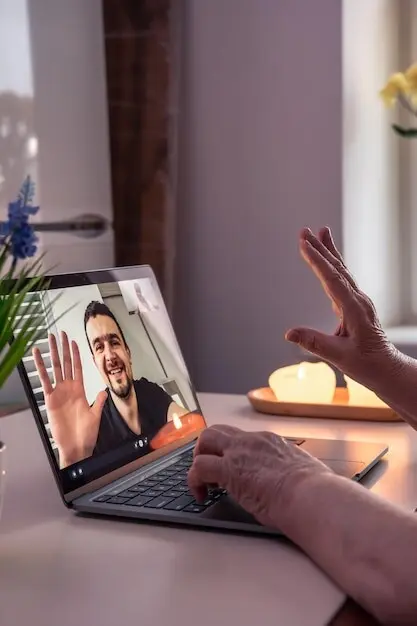
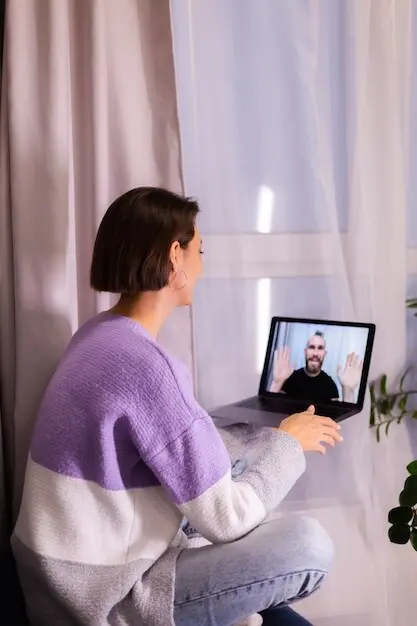
Some of the most valuable insights live between the lines: shortcuts, judgment calls, and pattern recognition only visible after many repetitions. Employee‑to‑employee sharing unlocks that hidden layer through demonstrations, pair work, and candid debriefs. People remember stories and live examples, not abstract rules. By surfacing nuance gently, peers help each other navigate ambiguity, avoid pitfalls, and choose tradeoffs confidently, accelerating mastery without overwhelming beginners or sidelining seasoned experts.
Trust, Safety, and the Courage to Ask
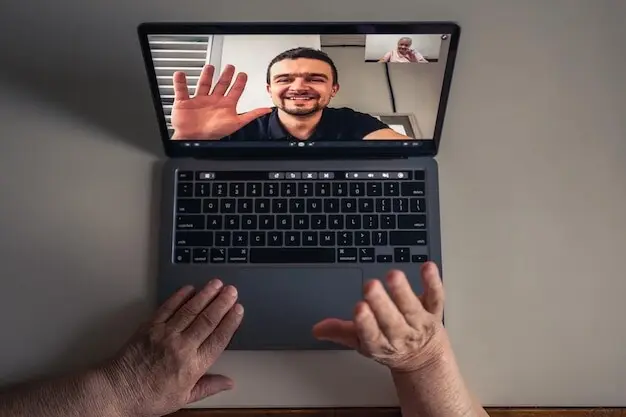
Learning spreads when questions feel welcome and mistakes become data, not drama. Psychological safety grows as coworkers show vulnerability while coaching and being coached. Small wins compound: a brave question today becomes tomorrow’s reusable note or screencast. Over time, transparency replaces posturing, and mentorship emerges organically. Invite quieter voices intentionally, normalize not knowing, and model curiosity in public channels, so the entire workplace becomes a supportive, evolving studio of shared practice.

Immediate Relevance and Faster Feedback Loops
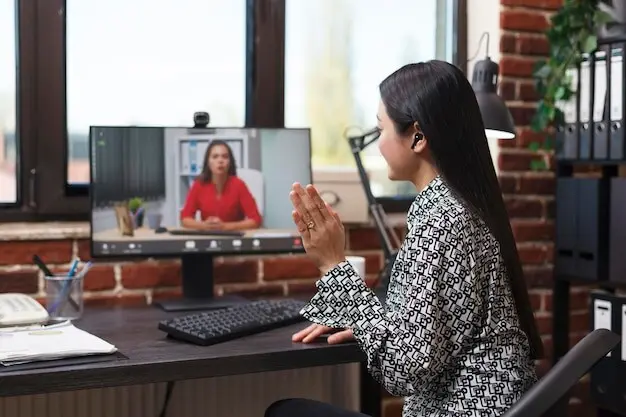
Peer sessions typically revolve around live work, not hypothetical scenarios, which means advice is immediately actionable. Quick trials, screen shares, and code walkthroughs produce instant outcomes you can measure or experience. This tight loop reduces rework, builds confidence, and reveals edge cases sooner. Best of all, learners become future mentors, closing the loop by teaching what they just practiced. Feedback stops being an event and becomes a constant rhythm that sustains momentum.